DIY Repair Costs
Tools: $10 - $50
Parts: $5 - $30
Total: $15 - $80
In today's fast-paced world, ensuring that our workspaces are not only efficient but also safe is crucial. Desk lamp issues are often overlooked but can pose significant hazards if not addressed. Understanding the common problems can help you maintain a well-lit and secure environment.
Evaluating the financial aspects of repairs can help you make informed decisions on whether to tackle desk lamp issues yourself or call a professional.
Tools: $10 - $50
Parts: $5 - $30
Total: $15 - $80
Service Call: $50 - $100
Parts: $5 - $30
Total: $55 - $130
Have you ever found yourself fumbling around with a desk lamp that just won’t turn on? You're definitely not alone! One of the most common issues involves the cables and cords of your desk lamp. By learning to identify these problems early, we can not only ensure our lighting works but also keep our workspaces safe and tidy. Let’s dive into some signs of trouble you might encounter with your desk lamp cables.
First things first, it’s crucial to be aware of the signs of a damaged cord. If you notice any visible fraying or exposed wires, *it’s time to take action*! Ignoring these signs can lead to serious safety hazards, so let’s break it down further.
💡 Looking for a cable-free lighting setup? See how wireless solutions fit into a clutter-free desk. 👉 Explore the Wireless Alternatives Guide
Frayed insulation is a red flag! When the protective cover of your lamp’s cord is damaged, it can expose the wires inside, increasing the risk of electrical shock or fire. Here’s what to look for:
If you spot any of these issues, it's best to stop using the lamp immediately and consider a repair or replacement. Safety first!
Loose connections can also be a culprit in desk lamp cable issues. This can lead to flickering lights or complete power loss. If your lamp has a tendency to turn off unexpectedly or requires a wiggle to stay on, it’s likely a loose connection. Here are a few symptoms to watch out for:
Loose connections can often be fixed with a simple tightening of screws or re-soldering wires. If you’re up for it, I’ll guide you through those steps later!
Lastly, let’s talk about electrical connections and plugs. A faulty plug can prevent your lamp from receiving power altogether. If the prongs are bent or damaged, or if the plug feels loose in the outlet, it’s a clear sign of trouble. Here’s how to check:
Taking a moment to examine these components can save you a lot of headaches down the line. Remember, at Tidy Workspace Lighting Solutions, we believe in creating safe and efficient lighting setups, so let’s ensure your desk lamp is in top shape!
Considering ways to enhance office safety with cable management can also help prevent accidents related to faulty lamp cables.
Before you get started with repairs, it’s important to be equipped with the right tools and take necessary safety precautions. Repairing desk lamp cables can seem daunting, but with the right preparation, you’ll be ready to tackle the task in no time. Let’s make sure you’re ready!
Here's a brief recap of the key points discussed so far:
As a lighting enthusiast, I often get asked whether it’s better to tackle desk lamp cable issues yourself or to call in the professionals. The truth is, it really depends on the complexity of the problem at hand. Some repairs are straightforward and can save you a few bucks, while others might require the expertise of a qualified electrician. Let’s dive into how to evaluate your options!
First, consider the complexity of the repair. If it involves just a simple cord replacement or tightening a few screws, then going the DIY route might be ideal. On the other hand, if you're dealing with more intricate electrical issues, it’s wise to seek professional help. Knowing when to step back can not only save time but also ensure safety.
For managing cables effectively, organizing cables with monitor arms can also help to keep your workspace tidy and safe.
When deciding whether to roll up your sleeves or call an expert, it’s helpful to assess the cost estimates associated with both options. Here’s what to keep in mind:
Additionally, think about any replacement parts or upgrades you might need. Sometimes a little investment can significantly enhance your lamp’s performance. For example, upgrading to energy-efficient LED bulbs can save you money in the long run!
Before making a decision, it’s essential to weigh the costs against potential risks. Here’s a quick breakdown:
While some DIY tasks can be fun and rewarding, there are certain situations where it’s crucial to seek professional advice. If you notice any of the following indicators, it’s time to call in the experts:
Remember, safety should always come first! If you're unsure, don't hesitate to reach out to a qualified electrician. At Tidy Workspace Lighting Solutions, we always prioritize safety and functionality, ensuring that your workspace remains both beautiful and efficient. Don't forget to consider enhancing safety through cable management, as this is also a key aspect of maintaining a secure workspace.
Here is a quick recap of the important points discussed in the article:
As a lighting enthusiast and workspace design expert, I, Jasper L. Harlow, am dedicated to creating harmonious environments through innovative lighting solutions. With a keen eye for aesthetics and functionality, I share insights on cable management and energy-efficient desk lighting, helping you achieve a clutter-free workspace that enhances productivity and ambiance.
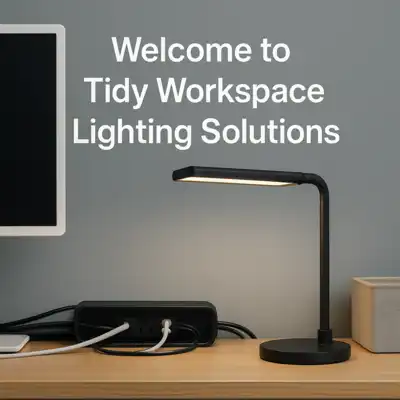
At Tidy Workspace Lighting Solutions, we specialize in transforming cluttered desks into cable-free sanctuaries. Our mission is to provide expert guidance on innovative lighting solutions that enhance both productivity and ambiance.